Everybody wants to own the whole market. The smart ones start by owning a room nobody else is standing in.
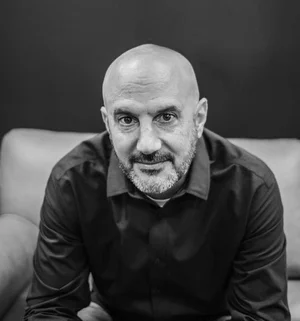
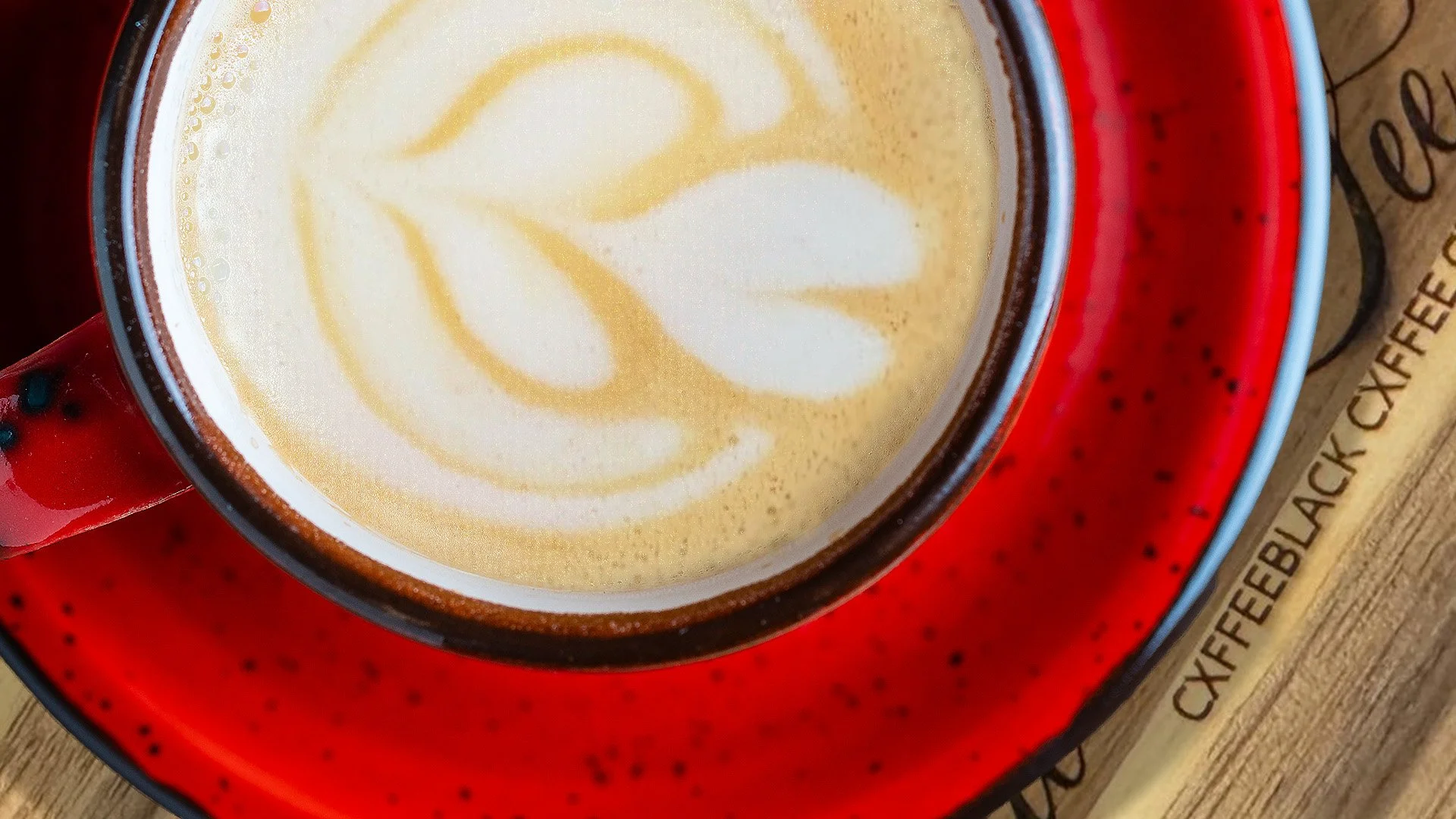
That's the thread running through the very first episode of Pitch Lab, where we sat down with Bartholomew Jones, co-founder of Cxffeeblack. He's a Memphis rapper, community educator, and self-described "Black coffee anthropologist" who built a million-dollar brand in one of the most crowded categories on the planet. Coffee. There's a shop on every block. The product is a commodity older than the stock market. And he walked in and carved out a lane so specific that no competitor could follow him into it.
Here's how he did it, and what it means for anyone trying to build a brand that sticks.
The intersection is the moat
Coffee is competitive. Hip hop is competitive. Both are oceans. Bartholomew's insight was that the overlap between them is a puddle, and he could own the whole puddle.
His words say it best. "You're never going to make it as a rapper if you're trying to create opportunities at a rapper convention. Too many people doing the same thing in the same room." So he went to the coffee convention instead. All he had to find were the people who like rap and like coffee. A segment small enough to own. And because both categories are massive, that tiny intersection still scales into a real audience.
This is the move most founders get backwards. They try to be a slightly better version of everyone else in their category. Bartholomew stacked two categories and stood alone in the overlap. Nobody had to beat him because nobody else was there.
The marketing lesson: differentiation isn't being better at the thing everyone does. It's being the only one who does your specific thing. Find your intersection. Then plant a flag in it before anyone realizes it's valuable.
Pick the value proposition you can actually win
Bartholomew breaks coffee into two traps. On one end, "we have the cheapest coffee." That's a race to the bottom on margin, a game won by whoever has the most capital to outlast everyone else. On the other end, "we have the best coffee." That sounds better until you realize it's just a bidding war for the rarest beans. Whoever pays the richest farmer this year wins, until someone outbids them next year.
Both are money games. And a bootstrapped founder from Memphis can't win a money game against legacy giants.
So he chose a third position nobody was claiming. "We have the most authentic coffee. The coffee that's best for you and for who you were meant to be." Authenticity rooted in his own story, coffee's African origins, and a supply chain he built himself. That's a position competitors literally cannot buy their way into. As he put it, "that story is always going to be a story only I can tell."
The marketing lesson: before you pick how you'll compete, be honest about which game you can actually win. If "cheapest" and "best" are already owned by players with deeper pockets, find the axis where your resources are the advantage, not the handicap. For Cxffeeblack, the constraint of being bootstrapped forced a position that turned out to be the strongest one on the board.
Story is the product people can't replicate
Anyone can source great beans. "If you're going from traditional importers, we can all talk to the same importers." Once the raw material is a commodity, the product stops being the differentiator. The story becomes the product.
Cxffeeblack checks three boxes at once. The flavor box (top 1% coffees scoring 86-plus). The storytelling box (a brand that makes you feel like part of something bigger). And the justice box (an all-Black supply chain from Ethiopia to Memphis). Miss any one and you're just another bag on the shelf. Hit all three and you've built something a competitor with more money still can't copy, because they don't have your story.
We put a name to it in the episode. Your friend will sell you on a bank better than a bank teller will. The teller has better information and zero trust. Your friend has your interest at heart, so you actually go check it out. Authentic story travels through trust. Polished pitches bounce off it.
The marketing lesson: when the product is commoditized, the narrative is the differentiator. And the most defensible narrative is the true one, because it's the only one your competitors don't have access to.
Ride the wave you were already built for
Here's the part that separates a lucky brand from a durable one. Bartholomew didn't chase a trend. He built exactly what he and his friends wanted to drink, then the market moved toward him.
The data caught up. Ten years ago, African Americans were the lowest coffee-consuming demographic in the country. By last year, the fastest-growing ethnic segment, followed by Gen Z as the fastest-growing age group. A generation that "doesn't trust the establishment" and wants products that are more ethical, more niche, more curated. Cxffeeblack was sitting at that exact intersection before the intersection existed.
As he said, "We started the brand we wanted, and then the market caught up to the things we were already looking for."
The marketing lesson: authentic positioning is a bet that the world will move toward you. You can't fake your way into a trend and stay there. But if you build from genuine conviction about who you are and who you serve, you're positioned to lead a wave instead of chasing one. The brands that own a moment usually planted the flag before the moment arrived.
The takeaway
Cxffeeblack's playbook isn't really about coffee. It's about refusing to compete on the axes everyone else is fighting over.
Go narrow enough to own your intersection. Choose the value proposition your constraints let you win. Make the story the product, because it's the one thing that can't be bought. And build from conviction so that when the market shifts, it shifts toward you.
Everybody's selling the same product and making the same videos. As Bartholomew put it, "The difference is the director and their perspective on the story." Your brand isn't what you sell. It's the lens only you can see it through.
This lesson came from Episode 1 of Pitch Lab, featuring Bartholomew Jones of Cxffeeblack. Pitch Lab is produced by Merrick Studios and hosted by Merrick Creative Chief Creative Officer, Tom Frank. Listen on Apple, Spotify, iHeart, or wherever you get your podcasts. Find Cxffeeblack at cxffeeblack.com.