LeBron's Last Decision Is a Master Class in Owning Your Own Story
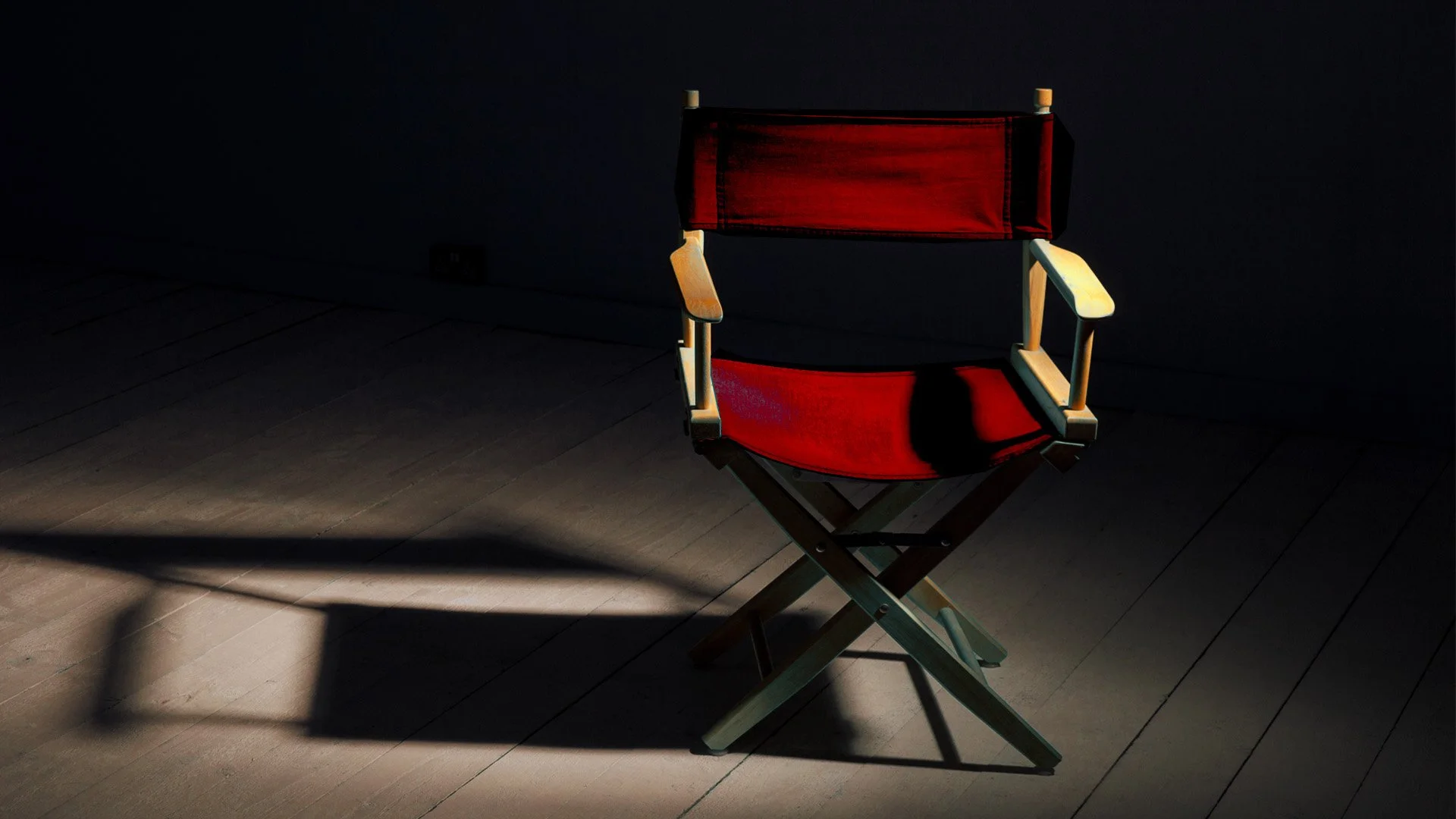
Back in 2010, LeBron James sat in a folding chair on ESPN and told the world he was taking his talents to South Beach. We called it The Decision. Cleveland called it treason and set his jersey on fire in the street. For most of the decade that followed, "The Decision" was the go-to example of how to blow an announcement.
Sixteen years later he used the word again. Free agent at 41, signing with the Philadelphia 76ers for two years and $8 million, and he described it as his "last decision." Same word he got crucified for. Almost nothing else about it the same.
The distance between those two moments is the interesting part, and it has very little to do with basketball. It has everything to do with how a story gets told, and who gets to tell it.
He picked up the grenade on purpose
You don't reuse a word like that by accident. LeBron reached back into the ugliest moment of his own legacy and put his hand right on it. In 2010 he was a kid who wanted everyone to know he was in charge. In 2026 he's a guy closing the loop, lowercase, half a wink in it.
Most companies would rather forget their version of 2010 ever happened. They scrub it, rebrand around it, hope nobody brings it up. LeBron did the opposite and made the mess the headline. Your audience remembers the low point whether you mention it or not. Pretending it didn't happen just tells them you think they weren't paying attention. Owning it does something a press release never can.
The money is what makes it real
Here's what actually sells it. Eight million dollars, for one of the fifteen best players who ever lived. He walked away from a much bigger check to chase a title in a city that has not won one in over four decades and boos its own guys on a good night.
Anybody can announce that they've changed. Nobody has to believe it. What makes people believe it is a cost they can see, and the pay cut is the cost. It's the difference between a nice line and a man actually putting something on the table.
This is the beat most rebrands skip. Everybody's happy to buy the new logo and the new tagline. Far fewer are willing to give up something the audience will actually notice. But that's where the belief comes from. Kill the profitable product that never fit the story. Turn down the account that's wrong for you, out loud, where people can see it. Trust isn't bought with a claim. It's bought with a receipt.
For the brand people
If you're repositioning a company, LeBron just ran the play for you. Find the thing everyone already ties to your name, especially the part that makes you wince, and build the new story on top of it instead of around it. He isn't reintroducing himself as a different person. He's the same guy who learned something expensive, and the lesson is the whole pitch.
So the question for your next brand meeting is a short one. What's our 2010, and what would our pay cut look like, the move that costs us something and proves we mean it?
For the PR people
People still teach the 2010 broadcast in classes as the case study in controlling a message and losing the room anyway. Sixteen years later he ran the sequel and stuck the landing. The fix wasn't slicker media training. It was a little humility, better timing, and a story that let the audience feel like they were being let in on something instead of talked at.
A good announcement doesn't beg for attention. It hands people a decision that was clearly hard to make and lets them lean in. LeBron gave reporters tension, a real sacrifice, and a ticking clock. When you hand the press a story that good, they write it for you, which matters a lot on the days you don't control the coverage.
For the podcasters
Every show worth listening to comes down to somebody grabbing the mic and telling their own story before somebody else tells a worse version of it. LeBron learned that the slow, painful way, and it's no accident he now runs one of the biggest shows in sports. He got tired of being framed by other people.
Same lesson if you're building an audience of any size. Don't wait around for the coverage. Be the coverage. Set the frame, set the pace, and give people an actual reason to stick around. A two-year farewell tour is appointment viewing because there's a clock on it. Your content works the same way when there are real stakes and a reason the moment won't come back.
The clock is doing free work
That two-year window is the best marketing asset in the whole deal, and it cost him nothing to create. He set the end date himself. Now every game carries a countdown, and it's real, which is the only kind that works. You can feel the difference between a genuine last call and a fake one, and so can everybody else. Manufactured urgency reads as manufactured. This doesn't.
Why this matters if you're our client
Strip away the jersey and what LeBron pulled off is the exact work we do at Merrick. He took the worst chapter of his story, paid for a new one in a way people could see, and put a clock on it so nobody could look away. Brand, PR, and content all pulling in the same direction.
Most of the brands we talk to are sitting on a moment like this and don't recognize it. An awkward chapter that's actually an asset. A repositioning that will only land if it costs something visible. An announcement that could pull people in instead of pushing them back. A story that only they can tell, in a voice that's actually theirs.
You will never get LeBron's stage, and you don't need it. What you get is the same choice he got: let the story happen to you, or decide how it goes and make people believe you meant it. Figuring out that second part, and landing it, is what we're for.
Make it your decision.