Something shifted in the feed. Brands stopped making ads and started making shows.
Not sponsored content. Not a hero spot with six cutdowns. Actual shows. Recurring characters. Episode numbers. A release schedule the audience learns and waits for.
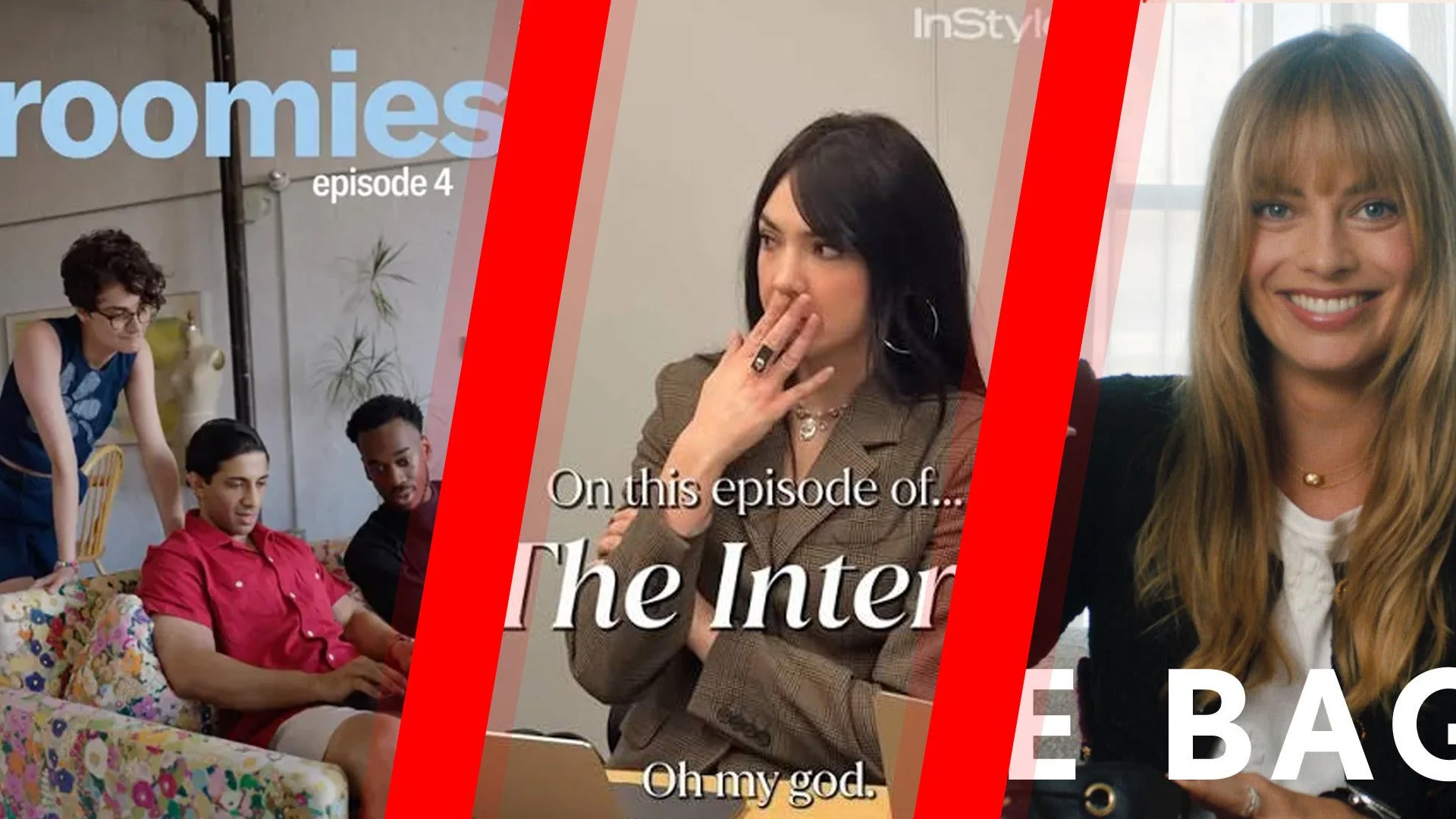
Bilt, the rent rewards platform, runs Roomies, a mockumentary about four New York roommates that barely mentions Bilt at all. It won two People's Voice Webby Awards and got written up in the Wall Street Journal. InStyle turned its own editorial office into a sitcom called The Intern, now in season eight. Tower 28 wrote a sketch comedy series to launch a blush. CAVA built Bowlmates around two strangers realizing they ordered the same thing. British Vogue has been refining franchises like In The Bag for the better part of a decade. Add Oatly, Bratz, and S.Pellegrino. Different categories, same instinct.
The platforms noticed. YouTube now lets channels organize video into real seasons and episodes, and this spring it pitched advertisers a slate of creator shows the way a network pitches a fall lineup.
So what does that mean if you are launching a building, a beverage, or a brand?
Real estate has the widest opening
Nobody has taken this lane yet. That is the point.
A new building today gets sold with renderings, a floor plan, and a highlight reel of amenities nobody is standing in. It shows the product. It cannot show the life.
The show is sitting right there. A month in the life at a new building. Follow the first residents through move-in. The couple unpacking. The guy who knows the barista downstairs by name in week two. The rooftop the first Friday it actually fills up. Twelve episodes, two to four minutes each, released twice a week across lease-up.
That is the answer to the only question a prospective resident is really asking, which is never "how many square feet" but "what does my life look like here."
It scales up cleanly. A district. A mixed-use development. A downtown. Cast the chef opening her first restaurant, the shop owner signing a lease, the family moving in from two states away. Placemaking has always been about proving a place is alive before it fully is. Episodic content is the only format that can demonstrate it, because it is the only one that shows time passing.
Two questions come up. Budget and nerve.
On budget, this is largely a reallocation. A lease-up already funds a photo shoot, a video package, a launch event, and months of paid social. A series does not sit on top of that spend. It absorbs the parts that expire on delivery. And the asset compounds. Season one becomes the template for the next property, the next market, the next groundbreaking. A format renews. A rendering does not.
On nerve, that is the whole opportunity. The first developer to run this well will not be competing with anyone. Meanwhile the audience for it, people deciding where to live and where to spend a Saturday, is already watching this exact kind of content about total strangers' apartments, for free, right now.
Somebody is going to be first.
Food and beverage starts ahead
This category has a built-in advantage. Food is a ritual before it is a product. People eat on a schedule, in company, with opinions. That is a situation, and a situation is the hardest piece of a show to invent. CAVA found it in a shared order. Oatly found it in a grandfather working through Chicago coffee shops.
There is a second advantage. A shelf is a transaction. A shelf cannot tell you who grew this, why the season mattered, or what a fifth-generation orchard smells like in August. A series can. It also gives a sales team something to bring into a buyer meeting that is not a sell sheet.
The cast is usually already on payroll. Growers. Chefs. The person running the packing line. Real people beat casting calls here almost every time.
Marquee brands already have the material
Archive. Access. Talent relationships. Rooms nobody else gets into. The raw ingredients for a show are sitting in the building.
What turns that into a series is a production model built for cadence. Not a shoot. A schedule. A repeatable format, a crew that knows the world, and the ability to ship every week for a full season without the wheels coming off. That is a production problem, and it is solvable.
Why the format works
A show earns the return visit. A great post gets seen. A show gets waited for. Episode two never starts from zero.
The cast becomes the asset. People do not subscribe to a brand. They subscribe to a person, a bit, a running joke.
The format outlives the campaign. A campaign ends. A format renews. Every new product, partner, or market becomes an episode instead of a brief.
What it actually takes
Own a situation, not a topic. If you cannot say it in one sentence, you do not have a show yet.
Cast for chemistry and commit. Recasting every episode resets the audience to zero.
Know what episode six is before you shoot episode one.
Set a cadence and hold it. The habit is the product.
Keep the brand light. The strongest examples are barely branded at all. That is not shyness. It is confidence.
High effort, not high budget. The work happens before you press record.
The real shift
Brands have been buying attention for a century. This is different. This is building a place people come back to on purpose.
A campaign asks for a moment. A show asks for a habit. Habits compound.
If your brand had a show, what would it be about? Not what would it sell. What would it be about. Answer that honestly and you have a format. Answer it with a product feature and you are back to making ads.
Merrick Creative builds branded shows, podcasts, and episodic content end to end. Format development, casting, production, and distribution. We do it for food and beverage brands, for property launches and destinations, and as a white-label production partner for agencies. If you are thinking about what your season one looks like, let's talk.