The Power of Geo-Fencing: Turning Location Into a Lead Engine
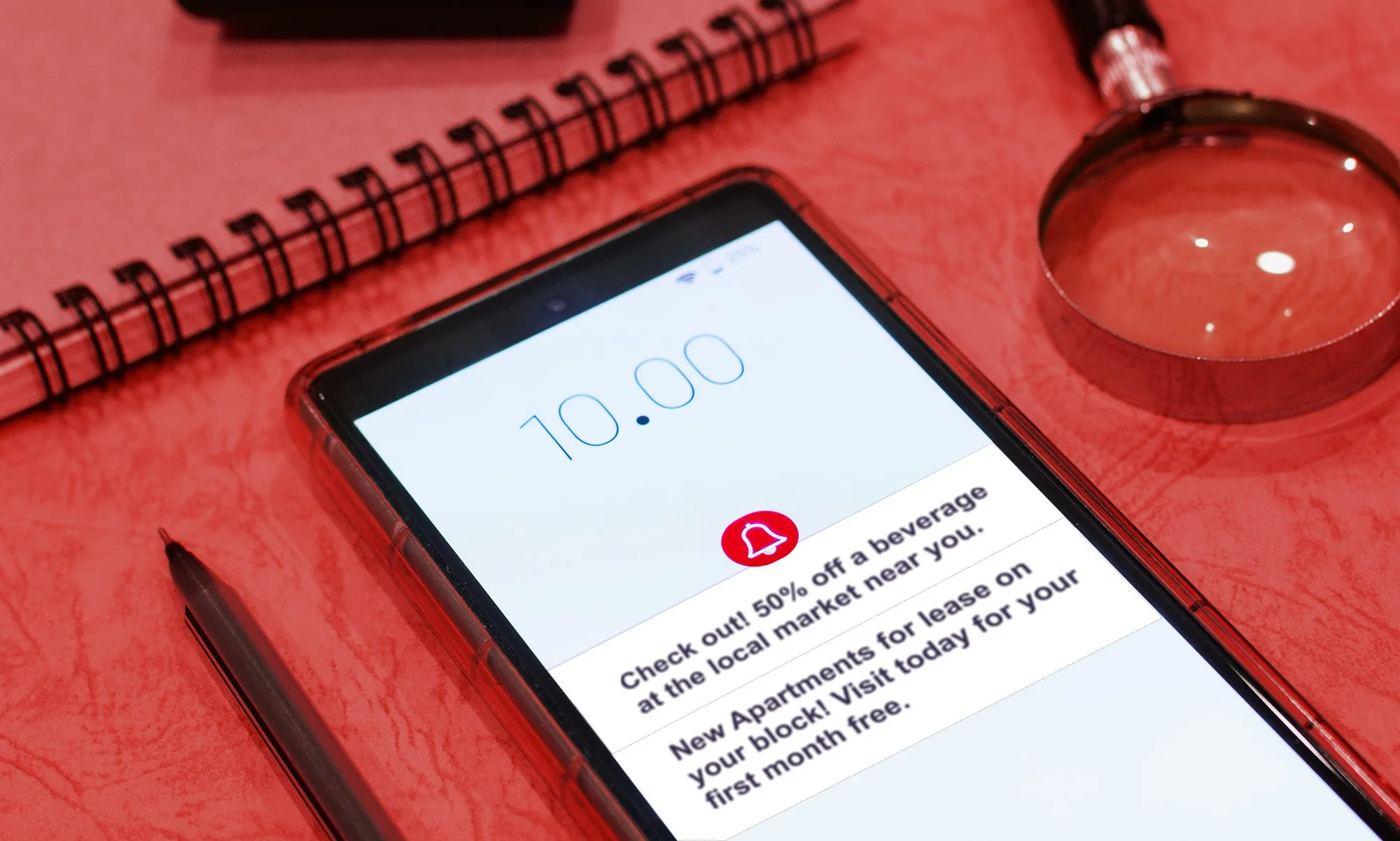
Most advertising tries to find the right audience. Geo-fencing flips that. It lets you target people based on where they actually are—in real time, in the real world, when intent is often at its highest. And when you combine that with a smart follow-up system? You’re not just running ads. You’re building a pipeline.
Attention Is Local (Whether We Admit It or Not)
Think about the moments that matter:
Someone touring a competing apartment building
Someone walking past your retail storefront
Someone dining at a similar restaurant down the street
These aren’t passive audiences. They’re in-market. Geo-fencing allows you to draw a digital boundary around these locations and serve ads to people inside them—capturing attention at the exact moment it matters most. It’s not spray-and-pray. It’s precision.
Real Estate: Capturing Renters Before They Decide
For new developments, timing is everything.
By geo-fencing:
Competing properties
Leasing offices
High-density residential areas
…you’re reaching prospects who are actively searching.
But the real opportunity isn’t just getting a click—it’s what happens next.
Instead of pushing “Schedule a Tour” immediately, smart campaigns:
Offer neighborhood guides
Share floor plan comparisons
Highlight lifestyle perks
In exchange, you capture email and phone data. Now you’re not chasing leads—you own the relationship.
Retail & Restaurants: Winning the Moment (and the Next One)
For brick-and-mortar, geo-fencing is about intercepting behavior.
You can target:
People near your location
People inside a competitor’s store
People attending nearby events
But again—the ad is just the entry point.
The goal is to move from:
“Come in now”
to:
“Stay connected”
Offer something of value:
A local deals club
VIP menu drops
Event invites
Limited-time offers via text
Now you’ve turned a one-time visitor into a repeat customer pipeline.
The Biggest Mistake: Treating Ads as the Finish Line
Most brands stop at impressions, clicks, or even foot traffic. That’s short-term thinking. The real value of geo-fencing is its ability to build an audience you own.
Because once you capture:
Email
Phone numbers (SMS)
…you’re no longer renting attention from platforms.
You’re building a direct line. And that’s where the real ROI compounds.
Build the Bridge: From Ad → Data → Ecosystem
Here’s the shift:
Geo-fence the right locations
(competitors, high-intent zones, events)Serve value-first ads
(not “buy now,” but “here’s something useful”)Capture data
(email + SMS through offers people actually want)Nurture consistently
(content, insights, offers—not constant selling)
This is how you turn proximity into a long-term growth engine.
What “Value” Actually Looks Like
If your follow-up feels like spam, you’ve already lost.
Instead:
Real estate → neighborhood insights, move-in tips, local highlights
Retail → styling ideas, product drops, insider access
Restaurants → chef specials, early menu previews, local collabs
The goal isn’t to sell harder. It’s to become useful enough that people want to hear from you.
Final Take
Geo-fencing isn’t just about reaching people nearby. It’s about capturing intent in the real world—and turning it into a relationship you control. Because the brands that win aren’t the ones with the best ads. They’re the ones that turn attention into an audience… and an audience into a community.
At Merrick Creative, we don’t just run geo-fencing campaigns—we build systems that turn location into lasting relationships. If you’re still treating ads like a one-time play, you’re leaving long-term growth on the table.
Let’s change that. Get in touch.