Recipes Are the Trojan Horse of Food Marketing
Walk into any grocery store and you’ll see hundreds of products competing for attention. But the real competition isn’t happening on the shelf, it’s happening in someone’s head:
“What would I actually make with this?”
If that question isn’t answered instantly, the product usually goes back on the shelf. That’s where recipes come in. Not as content, but as conversion.
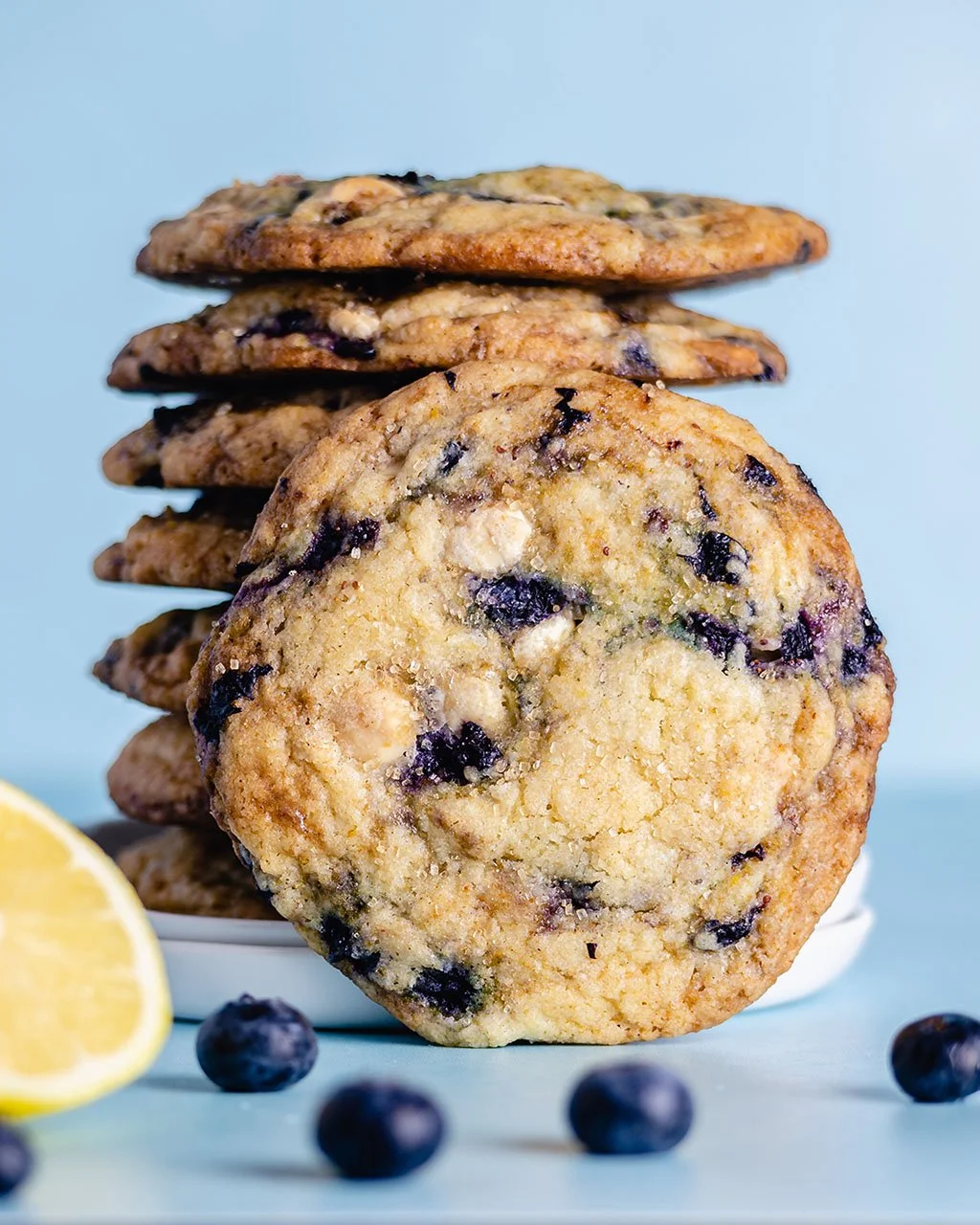
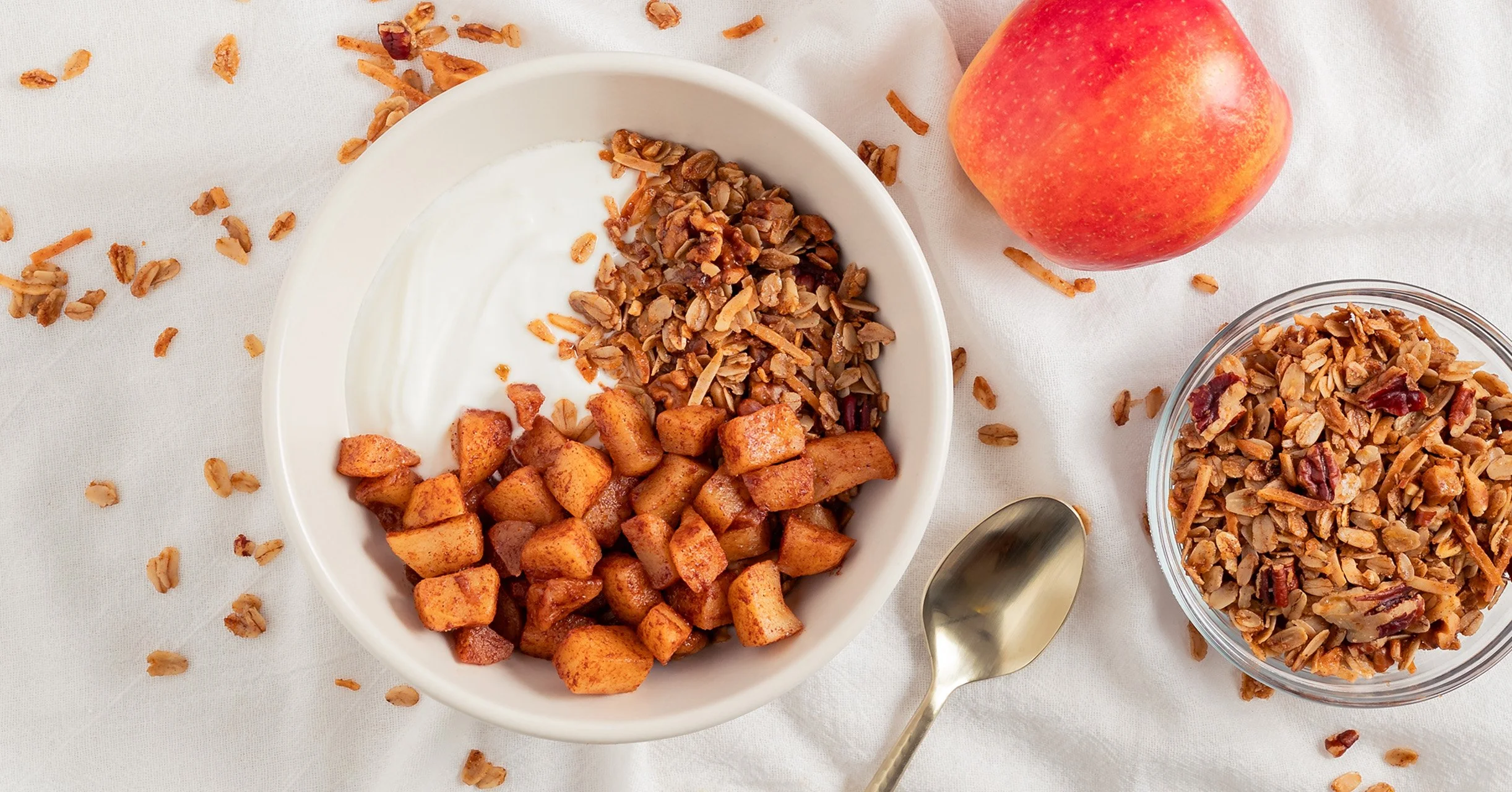
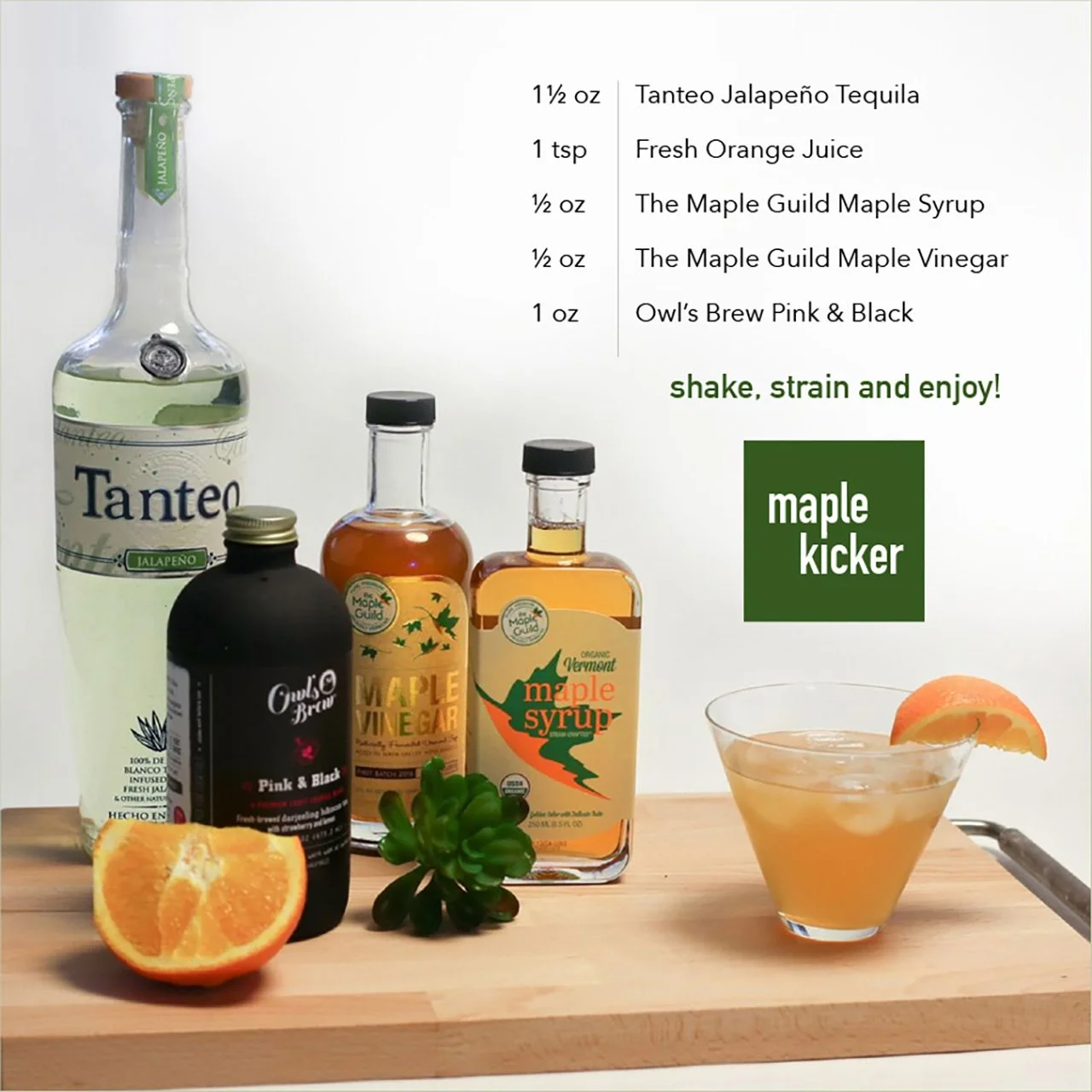
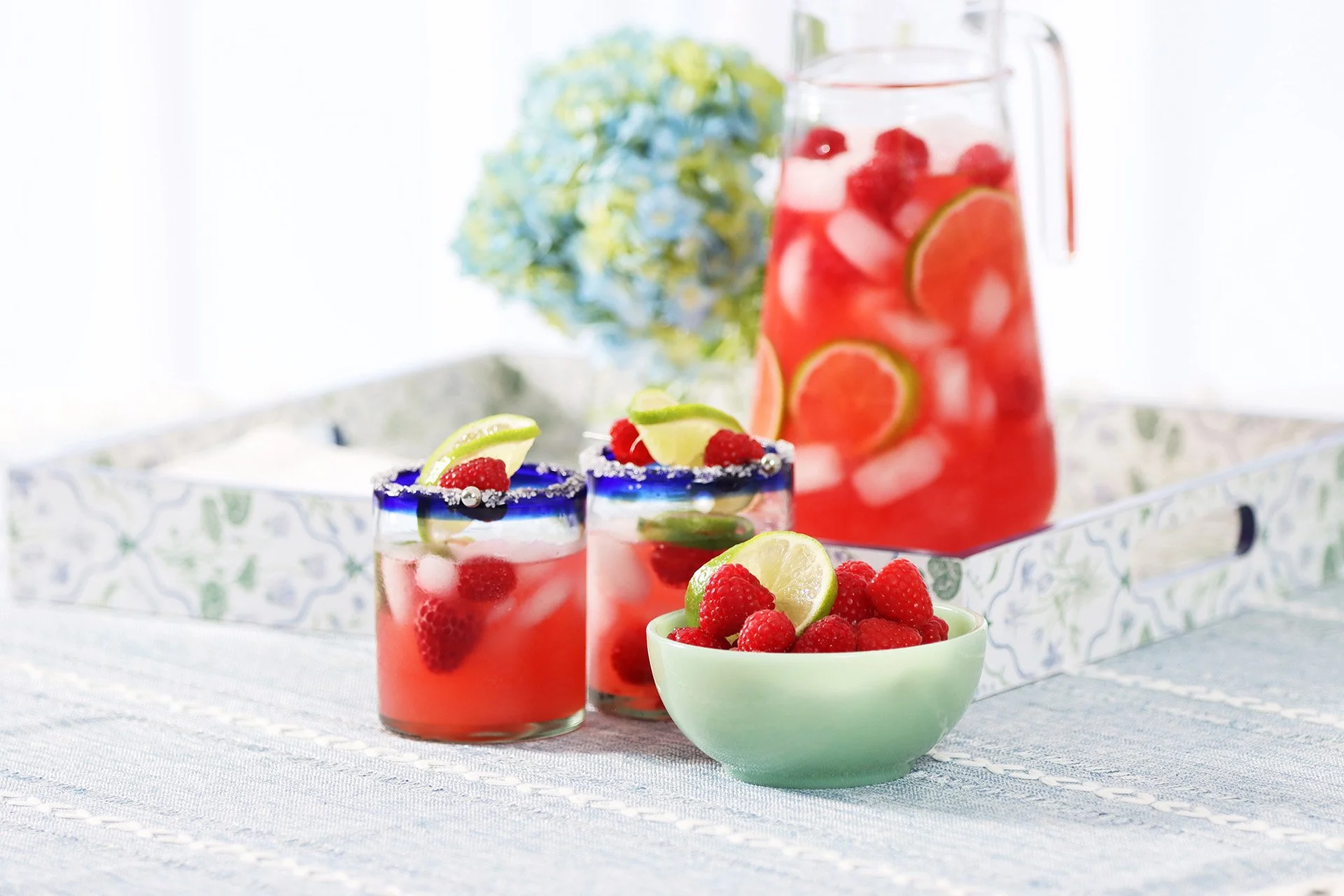
From Inspiration to Purchase (in One Scroll)
Social media has quietly become the modern cookbook—and it’s collapsing the distance between discovery and purchase.
72% of Gen Z gets meal inspiration from social media
42% have bought ingredients after seeing food content online
That’s a straight line from scroll → idea → action. A product on its own is abstract. A recipe makes it tangible. It shows the outcome, the ease, the payoff. It removes friction and replaces it with momentum.
The Brand Version of the Story
Brands have always understood this, at least partially.
Recipe content lets them control the narrative:
This is how you use our product
This is when you use it
This is the lifestyle it belongs to
It’s positioning disguised as utility. But here’s the issue: most brand recipes feel like they came out of a test kitchen and a boardroom. They’re polished, precise, and just a little too perfect. And on social, “perfect” often reads as “advertising.”
Where Things Actually Click: User-Generated Recipes
Now contrast that with someone in their kitchen, phone propped up against a coffee mug, making something quick, slightly chaotic, and completely real.
That’s the content people trust.
78% of millennials and 70% of Gen Z rely on user-generated content before buying
UGC can be up to 85% more effective at driving conversions than branded content
Because it answers a deeper question than “What can I make?” It answers: “Can someone like me actually make this?”
The Accidental R&D Engine
There’s another layer most brands underestimate. When people start making recipes with your product, they don’t just follow directions, they experiment.
They:
Combine it with unexpected ingredients
Adapt it for different diets or cultures
Create entirely new occasions for use
In other words, your audience expands your product’s utility in real time. That’s not just engagement. That’s innovation – happening for free, at scale, in public.
The Shift Most Brands Haven’t Made
Here’s the gap. Most brands treat recipes as content they need to produce. The smarter approach is to treat recipes as behavior you need to enable.
That changes the questions entirely:
Is this product easy to turn into something shareable?
Does it look good on camera without effort?
Can someone make something impressive in under 5 minutes?
Because if it doesn’t show up in recipes, it doesn’t show up on social. And if it doesn’t show up on social, it’s not entering the cultural conversation.
The Real Play
The winning brands aren’t choosing between brand content and UGC.
They’re creating a loop:
Brand recipes → spark ideas
User recipes → validate and scale them
Community → builds momentum and repetition
And repetition is what turns a product into a habit.
Final Thought
Recipes don’t just sell food. They teach behavior. Brand recipes start the story. User-generated recipes make it believable. Together, they turn a product from something you notice… into something you use. And in food marketing, that’s the only metric that really matters.
At Merrick Creative, we believe recipes drive adoption—both the ones we craft and the ones your audience creates. The real growth happens when brand storytelling meets real-world use. If your product isn’t clearly answering “What would I actually do with this?”—it should be.
Let’s fix that. Get in touch.