The spreadsheets are circulating. Last year's numbers are being copied into next year's columns. Every line item is getting scrutinized. And somewhere between "Can we cut that?" and "What's the ROI?" you're probably reaching for a glass of wine.
And now, apparently, we're also onboarding new coworkers.
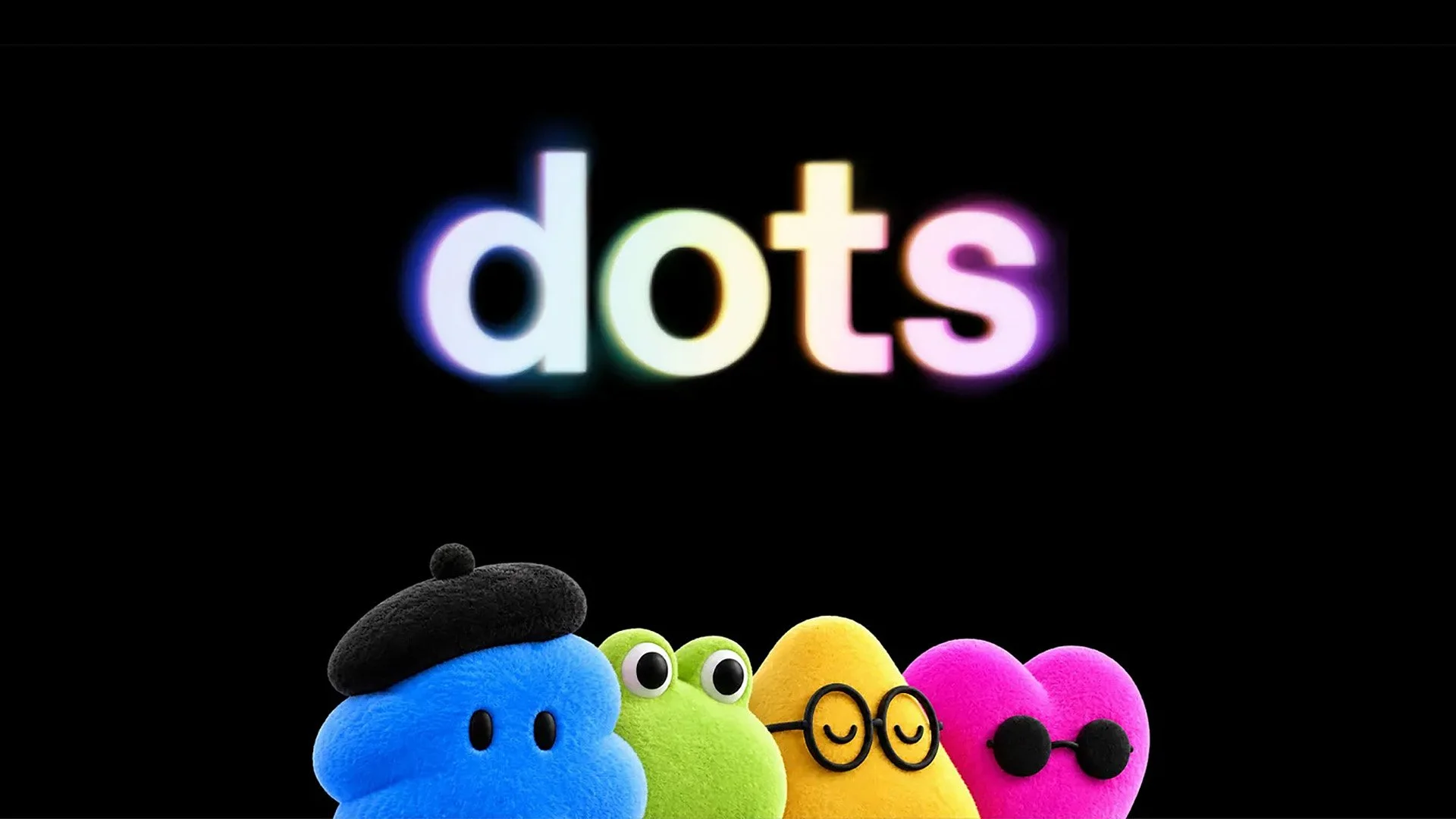
OpenAI just introduced Dots: AI agents designed to work more like digital coworkers than traditional chatbots. They can take on ongoing assignments, use tools and connected applications, research, analyze and keep working toward a goal without waiting for you to type the next prompt.
So, hello Dots. Welcome to the team. Now what are we going to have you do?
That's the question marketing leaders should be asking as they build their 2027 budgets. Because AI is moving quickly from something we use to something we delegate work to. And that changes the budget equation.
First, decide what work belongs to AI.
Should AI monitor competitors? Research prospects? Analyze campaign performance? Draft first-round content? Create variations of ads? Monitor industry news? Build reports? Help respond to RFPs?
Probably, Yes!
But should it decide how you position a $500 million development? Choose the flavor you bet the spring launch on? Confirm that a rendering matches the floorplan a buyer is signing for? Sign off on the health claim printed on the front of the pack? Answer a customer who found something in the box that shouldn't be there? Approve the hire of your next sales rep?
That's where humans still matter. The opportunity isn't to replace the marketing team with AI. It's to give the team an AI workforce and change where the team spends its time. And just like any workforce, that comes with costs.
Your AI workforce needs management.
AI can do the research. People still need to decide if it's good. It can write the property description. People need to check the facts. It can create the image. People need to make sure it's accurate and properly disclosed. And it can generate 20 campaign ideas. People still have to pick the smart one.
AI can make marketing faster. It doesn't make human judgment less important.
Then there's the technology bill.
Your 2027 budget may include more than a few AI subscriptions. Think enterprise licenses. Content creation platforms. Research tools. Automation. Data integration. Storage. Security. Training. And, inevitably, experimentation.
Your team will test tools that don't work. They'll try new workflows. They'll generate things that never see the light of day.
That's part of the cost of building an AI-enabled organization.
And don't throw away your photographer's number yet.
Here's the irony: As AI makes it easier to create beautiful images, original photography becomes more valuable.
AI can furnish a space, change a sky, add landscaping or create a video from a still image. But the original photograph becomes the source of truth.
That means marketers may need to budget for better original photography, raw asset storage, asset tracking and clear documentation of what has—and hasn't—been digitally altered.
The better AI gets at creating the finished product, the more valuable the original becomes.
And there's a new search invoice coming.
We've spent years optimizing websites for Google. Now we're entering a world where people increasingly ask the Dots instead of searching for links.
What will the Dots say about your company? Your property? Your development? Your market?
That means AI visibility—AEO, GEO and the quality of your first-party content needs to become part of the digital marketing conversation and, potentially, a major line item in your 2027 budget.
So, What's the Real AI Budget?
The question isn't simply:
"How much should we spend on AI?"
It's:
"What work should we give AI, and what will it cost to manage, supervise, verify and integrate that work?"
That's a much more interesting question.
Because the future of marketing isn't humans versus AI. It's humans with AI. One big happy team, including our newest coworkers, the Dots. They can’t share a glass of wine with you, but they do have a lot of opinions.
And the companies that figure out how to put that new workforce to work without sacrificing strategy, creativity, accuracy or accountability will have a very different marketing operation.
So, welcome to the team, Dots. We've got a budget meeting.
At Merrick Creative, we help brands figure out not just what AI can do, but what it should do—and how to turn it into an advantage. Let’s Talk!