Santa Didn’t Always Wear Red – A Story About How Brands Rewrite Reality
Ask anyone to picture Santa Claus and you’ll get the same answer. Red suit. White trim. Black boots. Big belt. Jolly expression. The image is so locked in that it feels ancient, like it’s always been that way.
It hasn’t.
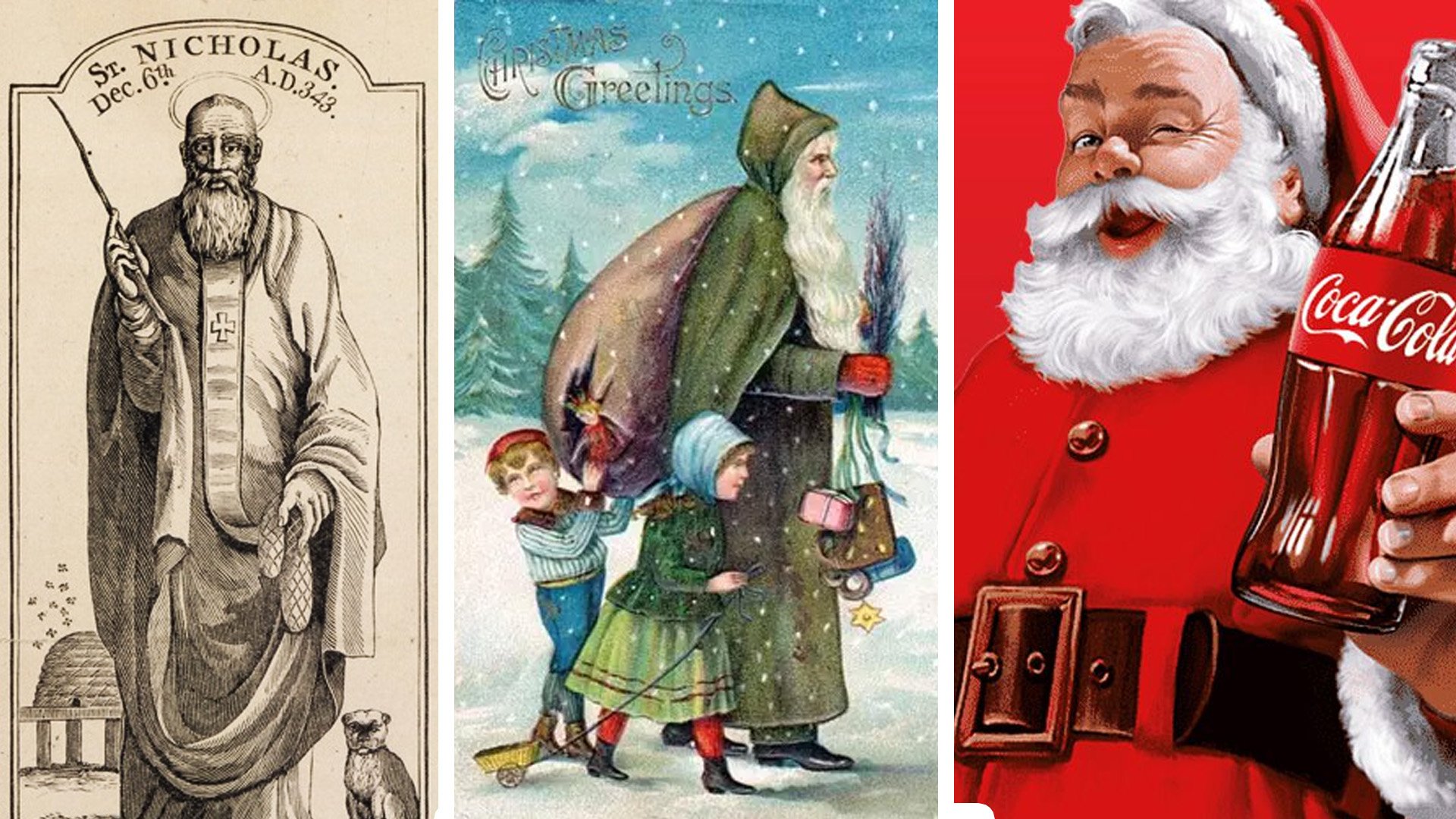
Before Santa Was a Brand
For most of Santa’s history, he didn’t have a uniform at all. Early illustrations showed him in browns, greens, tans, and muted reds. Sometimes he looked joyful. Sometimes serious. Sometimes more like a wandering woodsman than a holiday icon. Different regions imagined him differently. Different artists told different stories. Santa wasn’t a brand yet—he was folklore.
Which meant he was flexible. And flexible ideas eventually get claimed.
In the early 1930s, Coca-Cola faced a simple problem: winter wasn’t great for selling cold soda. Instead of fighting the season, they leaned into it. Coca-Cola commissioned illustrator Haddon Sundblom to create a Santa who felt warm, friendly, human, and familiar. Not mystical. Not distant. Someone who belonged in your living room. That Santa wore a red suit that happened to align perfectly with the brand.
Coca-Cola didn’t invent Santa in red. That’s the myth people like because it’s clean and dramatic. The real story is quieter and far more powerful. Coca-Cola didn’t create the look. They committed to it.
How Consistency Rewrites Reality
They ran the same Santa year after year. Same color. Same tone. Same character. No redesigns. No seasonal overhauls. No creative panic. While others experimented, Coca-Cola repeated.
Over time, the ads stopped feeling like ads. The illustration stopped feeling like one version among many. Red Santa became the Santa—not because Coca-Cola was louder, but because they were longer.
Eventually, something important happened. The campaign disappeared from memory, but the image remained. Advertising turned into tradition. Tradition turned into memory. Memory turned into “the way it’s always been.”
Ask someone why Santa wears red and they won’t mention Coca-Cola. They’ll say, “Because that’s what Santa wears.” That’s the moment branding crosses the line from messaging into belief.
The Lesson Brands Still Struggle With
Today, that kind of patience feels almost impossible. Brands are obsessed with being new—new drops, new looks, new tones, new positioning—often before the previous version has time to settle. We confuse motion with progress and novelty with relevance.
By modern standards, Coca-Cola’s approach would look boring. Same Santa. Same colors. Same story. Decades in a row. Slack would panic. Twitter would complain. Someone would suggest a rebrand.
History suggests that would’ve been a mistake.
Brands don’t win by constantly reinventing themselves. They win by becoming recognizable. Strong brands aren’t built in moments. They’re built in memory, and memory only forms when consistency outlasts impatience.
Coca-Cola didn’t dominate Christmas because they were clever once. They did it because they stayed long enough for belief to form. They didn’t chase culture. They settled into it.
This isn’t really a story about Santa. It’s a story about how perception hardens into truth. If you want to own a color, a character, or an idea, creativity might get you noticed—but consistency is what gets remembered.
Coca-Cola didn’t change Santa’s outfit.
They changed what we remember.